
Digital Arrest Scam India 2026
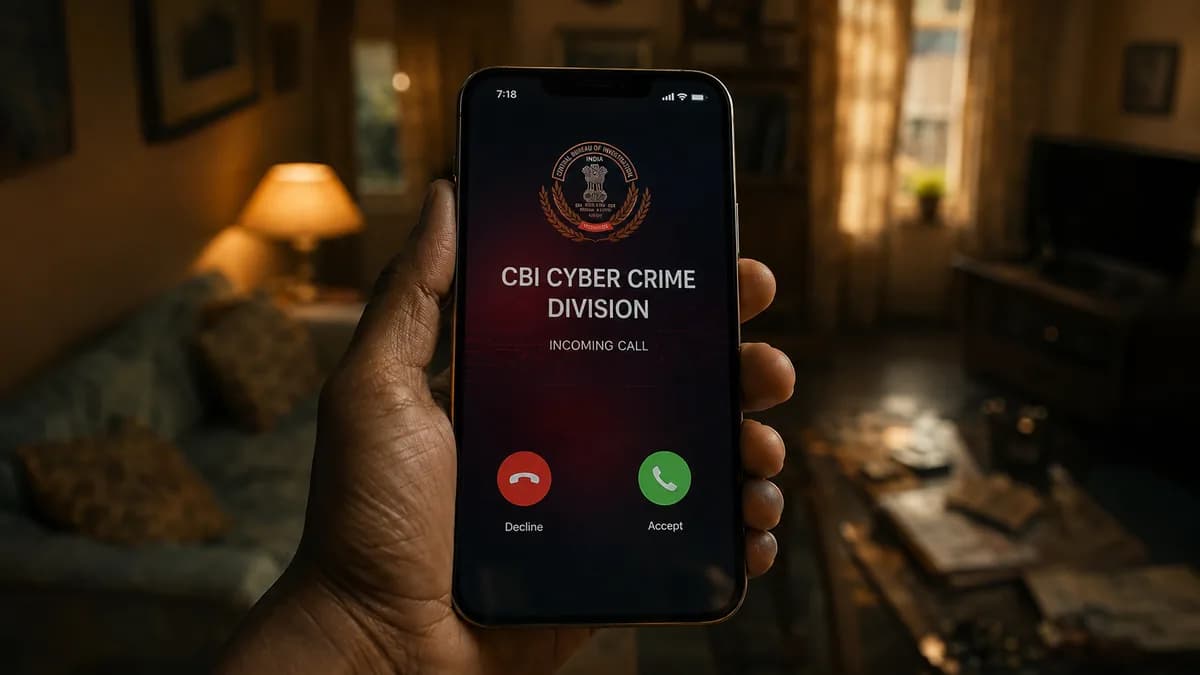
Fake CBI, ED, NCB, TRAI, Income Tax, Customs, or police officers threaten arrest on phone or video call and demand UPI payment to "resolve" a fabricated case. There is no legal concept of digital arrest in India.
Average loss cited in high-value digital arrest complaints
No legal concept of digital arrest in India
Helpline to call immediately after any payment
Payments are pushed through mule UPI accounts fast
What Is the Digital Arrest Scam?
Digital arrest is cyber extortion, not a legal arrest.
The scammer fabricates a criminal case, keeps you on a call, blocks you from getting help, then demands money through UPI, bank transfer, or a deposit account. The official I4C advisory states that real law enforcement will not arrest you digitally and that there is no concept of digital arrest under Indian law.
Hindi meaning
Digital arrest ka matlab scammer phone ya video call par CBI, ED, police ya TRAI officer ban kar darata hai aur arrest se bachne ke naam par payment mangta hai.
Suspicious agency call?
Check the caller before responding. If payment has already happened, call 1930 first.
Check Number FreeHow Digital Arrest Scams Work - 4 Stages
Stage 1 - A fake criminal case is announced
The caller claims your Aadhaar, SIM, parcel, bank account, or UPI transaction is linked to drugs, money laundering, illegal calls, or a fake warrant.
Stage 2 - The call moves to video
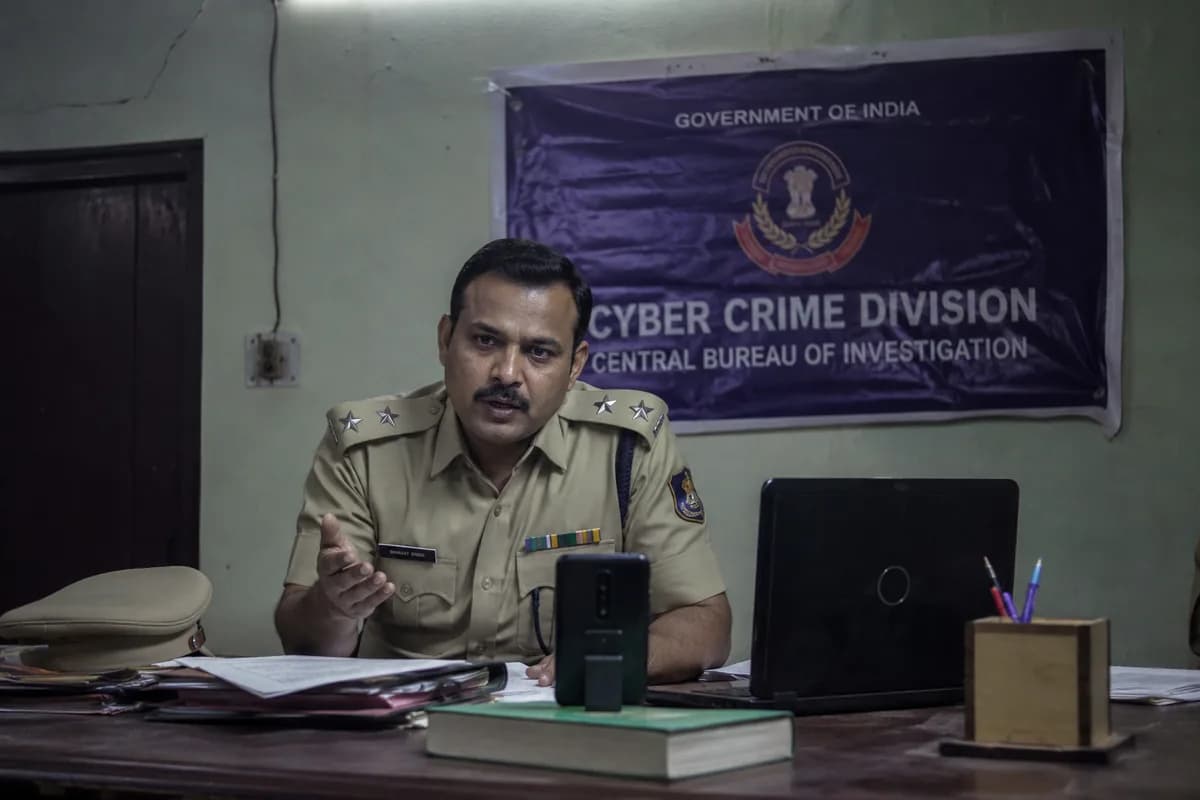
A fake CBI, ED, NCB, TRAI, police, or Income Tax officer appears on WhatsApp, Skype, or Zoom with a police-station backdrop and fake documents.
Stage 3 - You are isolated from help
The scammer orders you not to tell family, not to call a lawyer, and not to disconnect. This isolation is the main control mechanism.
Stage 4 - UPI payment is demanded
After fear builds, the caller demands a security deposit, bail amount, verification fee, or case-settlement payment through UPI or bank transfer.
Common Scripts Used by Fake Officers
8 Warning Signs That the Call Is Fraud
- 1Any caller demands UPI payment to avoid arrest, close a case, pay bail, or prove innocence.
- 2The caller uses WhatsApp, Skype, Zoom, Google Meet, or a normal mobile number for official investigation.
- 3You are told not to tell family, friends, your lawyer, or local police.
- 4The urgency is extreme: arrest in 2 hours, warrant by midnight, SIM block today.
- 5A video call shows a uniformed person or police-station background.
- 6The caller gives a case number or warrant number that cannot be verified on official portals.
- 7They know your name, city, Aadhaar fragment, or bank name and use it as proof of authority.
- 8Multiple fake officers join one after another to increase pressure.
5 Rules That Stop the Scam Immediately
No agency demands UPI payment
CBI, ED, NCB, TRAI, Income Tax, Customs, and police do not collect bail, settlement, verification, or security deposits through UPI.
No government arrest happens on video call
Digital arrest is not a legal procedure. Real legal action is physical, documented, and includes your right to contact a lawyer.
Hang up and call the real agency
End the call. Type the agency website yourself, find the official contact, and verify. Never call a number supplied by the caller.
Tell a family member immediately
The scam works only while you are isolated. The moment someone tells you to keep the call secret, do the opposite.
Check the caller number and UPI ID
Search the number and UPI ID before paying anything. Active scam numbers and mule IDs are often reused across victims.
What to Do If You Already Paid
Speed matters. Digital arrest payments are usually moved through mule accounts quickly, so the first 30 minutes are critical.
Call 1930 within 30 minutes
Share every transfer amount, time, UPI ID, phone number, and bank account. The goal is to freeze beneficiary accounts before funds move again.
File on cybercrime.gov.in
Choose financial cyber fraud. Attach UPI screenshots, call logs, WhatsApp numbers, fake warrants, video-call screenshots, and chat records.
Call your bank fraud team
Ask the bank to raise a fraud dispute and beneficiary freeze request. Share the 1930 and cybercrime complaint references.
Report the impersonated agency
If the scammer used CBI, ED, NCB, TRAI, Income Tax, Customs, or police identity, report the impersonation through that agency website.
File FIR and report to RakshaAI
Carry complaint references, payment details, phone numbers, chat logs, and documents to your cybercrime police station. Also report the number on RakshaAI.
Digital arrest recovery timeline
Immediately - Hang up. Tell family. Call 1930.
Within 30 min - 1930 freeze request, bank fraud team, UPI app dispute.
Within 1 hour - cybercrime.gov.in complaint and agency impersonation report.
Within 7 days - FIR at cybercrime police station with full evidence.
Report this digital arrest scammer and warn other Indians
Official Contacts to Verify Any Agency Claim
| Agency | Official Website | Contact |
|---|---|---|
| CBI | cbi.gov.in | 011-24368134 |
| ED | enforcementdirectorate.gov.in | 011-23319000 |
| NCB | narcoticsindia.nic.in | 1800-11-0031 |
| TRAI | trai.gov.in | 1800-110-020 |
| Income Tax | incometaxindia.gov.in | 1800-103-0025 |
| Cyber Crime | cybercrime.gov.in | 1930 |
Type official websites yourself. Do not click a link sent by the caller.
Related UPI Fraud Types
OTP & UPI PIN Fraud
Digital arrest often begins with a fake bank, TRAI, or agency call that escalates into legal threats.
QR Code UPI Fraud
Some callers ask victims to scan a fake government QR code to pay the security deposit.
Fake UPI Payment Screenshot
A lower-pressure payment deception, but still relies on victims not verifying money movement themselves.
Digital Arrest Standalone Hub
Broader guide covering CBI, ED, TRAI, Customs, NCB, WhatsApp video call, and agency-specific variants.
Fake UPI Payment Link
Some fake officers send links that mimic payment or verification portals to steal credentials.
Investment & Job UPI Fraud
Fake investment or job operators may use legal threats when victims ask for withdrawals.
Free Tools to Protect Yourself
Phone Number Checker
Check if the alleged officer number has been reported by other Indians.
UPI ID Checker
Verify any UPI ID before making a payment under legal threat.
Report a Scam
Report the scammer number so other victims see the warning.
Frequently Asked Questions About Digital Arrest Scam India
What is a digital arrest scam in India?
A digital arrest scam is a cyber extortion fraud where a criminal impersonates a CBI, ED, NCB, TRAI, Income Tax, Customs, or police officer, claims you are under investigation, keeps you on a phone or video call, and demands payment to avoid arrest.
Is digital arrest a real legal procedure?
No. There is no concept of digital arrest under Indian law. Official I4C advisories state that real law enforcement will not arrest you digitally.
Do CBI, ED, police, or TRAI demand UPI payments?
No. Government agencies do not demand UPI payments, bank transfers, cryptocurrency, or cash deposits to settle cases, cancel warrants, or avoid arrest.
What should I do if I am on a digital arrest call right now?
Hang up immediately, tell a family member, do not pay, do not share screen, do not install apps, check the caller number, and report at cybercrime.gov.in. If money has moved, call 1930 immediately.
How do I verify if a caller is a real government officer?
End the call and contact the agency only through its official website or published phone number. Never trust a number, badge, ID card, warrant, or link sent by the caller.
What is the drug parcel digital arrest variant?
The caller claims a parcel in your name was seized with drugs, fake passports, or foreign currency. This is a fabricated pretext used to scare victims into video calls and UPI payments.
Can money lost in a digital arrest scam be recovered?
Recovery is possible but depends heavily on speed. Call 1930 within 30 minutes, file on cybercrime.gov.in, contact your bank, preserve evidence, and file an FIR.
Why do educated people fall for digital arrest scams?
The scam is designed to create fear, isolation, authority pressure, and time pressure. The victim is prevented from getting a reality check from family or friends.