
Social Media & WhatsApp Shopping Scams India 2026
Fake Instagram sellers, WhatsApp shopping groups, Facebook Marketplace listings, Telegram deal channels and AI deepfake ads collect direct payments, then disappear or deliver worthless products.
E-commerce fraud complaints linked to social media shopping channels
Average loss pattern in social commerce fraud complaints
Growth cited for AI deepfake shopping ad complaints from 2024 to 2026
Most reported social commerce fraud platform in the source brief
Why Direct UPI Payment Is the Main Trap
Platform checkout creates a dispute trail. Direct UPI usually does not.
When you pay inside Amazon, Flipkart or a protected checkout, there is an order ID, refund route and platform complaint flow. When you pay a stranger UPI ID from an Instagram DM or WhatsApp group, recovery depends on quick fraud reporting and evidence.
5 Social Commerce Fraud Types Active in India
Fake Instagram seller pages
The page has polished reels, stolen product photos, purchased followers and fake testimonial highlights. Orders are taken in DMs and payment is pushed to personal UPI.
WhatsApp group shopping fraud
Admins post limited-time product deals while planted members share fake delivery confirmations. Once buyers pay, the group disappears or the admin blocks them.
Facebook Marketplace deposit scam
High-value items are listed below market price. The seller asks for a reservation fee, shipping deposit or advance UPI payment before vanishing.
AI deepfake shopping ads
A fake video appears to show a celebrity endorsing skincare, supplements, gadgets or fashion. The ad sends victims to a fake store or direct payment flow.
Telegram and YouTube deal channels
Anonymous channels post bulk discounts, fake unboxing videos and review links. Payment is collected by admin or bot, with no real buyer protection.
Real India Social Commerce Fraud Patterns
Instagram saree seller
A polished seller account takes UPI payment for premium sarees, sends a fake tracking link, then renames or deletes the account.
WhatsApp iPhone deal group
A group admin posts a deeply discounted phone offer while planted accounts claim delivery. Buyers pay advance UPI and receive nothing.
Facebook laptop deposit
The seller asks for a small deposit to hold the item, then increases the price or blocks the buyer after payment.
AI deepfake skincare ad
A fake celebrity endorsement routes buyers to a new store. The product arrives as a cheap imitation or does not arrive.
Telegram electronics channel
A large subscriber count creates trust. The channel collects bulk order advances and is deleted within days.
YouTube fake review link
A review video links to a fraudulent store that copies product pages and collects payment outside protected checkout.
8 Warning Signs of a Fake Social Media Seller
- 1The seller accepts only direct UPI payment and refuses platform-protected checkout or payment gateway invoice.
- 2The account is recent, renamed often, or has a large follower count with very low likes and comments.
- 3Product photos appear on other sites when checked with Google Lens or reverse image search.
- 4The seller refuses to show a 30-second live video of the exact item you want to buy.
- 5Customer testimonials are only screenshots, all posted within a few days, or cannot be traced to real profiles.
- 6A celebrity endorsement appears only as a paid ad and has no mention on the celebrity or brand official pages.
- 7The offer uses extreme urgency like last few pieces, sale ends now, pay in five minutes or price will change.
- 8The seller profile has no registered business details, return policy, address, GST details or working support channel.
How to Verify an Instagram or WhatsApp Seller in 2 Minutes
Check account age and name history
On Instagram, use About this account. A new account, frequent name changes or sudden follower growth is a high-risk signal.
Check engagement quality
A page with many followers but almost no comments or likes may be using purchased followers. Real sellers usually have consistent engagement over time.
Run reverse image search
Use Google Lens on every product image. If the same photo appears on wholesale sites or under many brand names, the seller is probably copying images.
Ask for a live product video
Ask the seller to show the exact item, packaging and current date on a short live video. Scammers using stock photos usually avoid this.
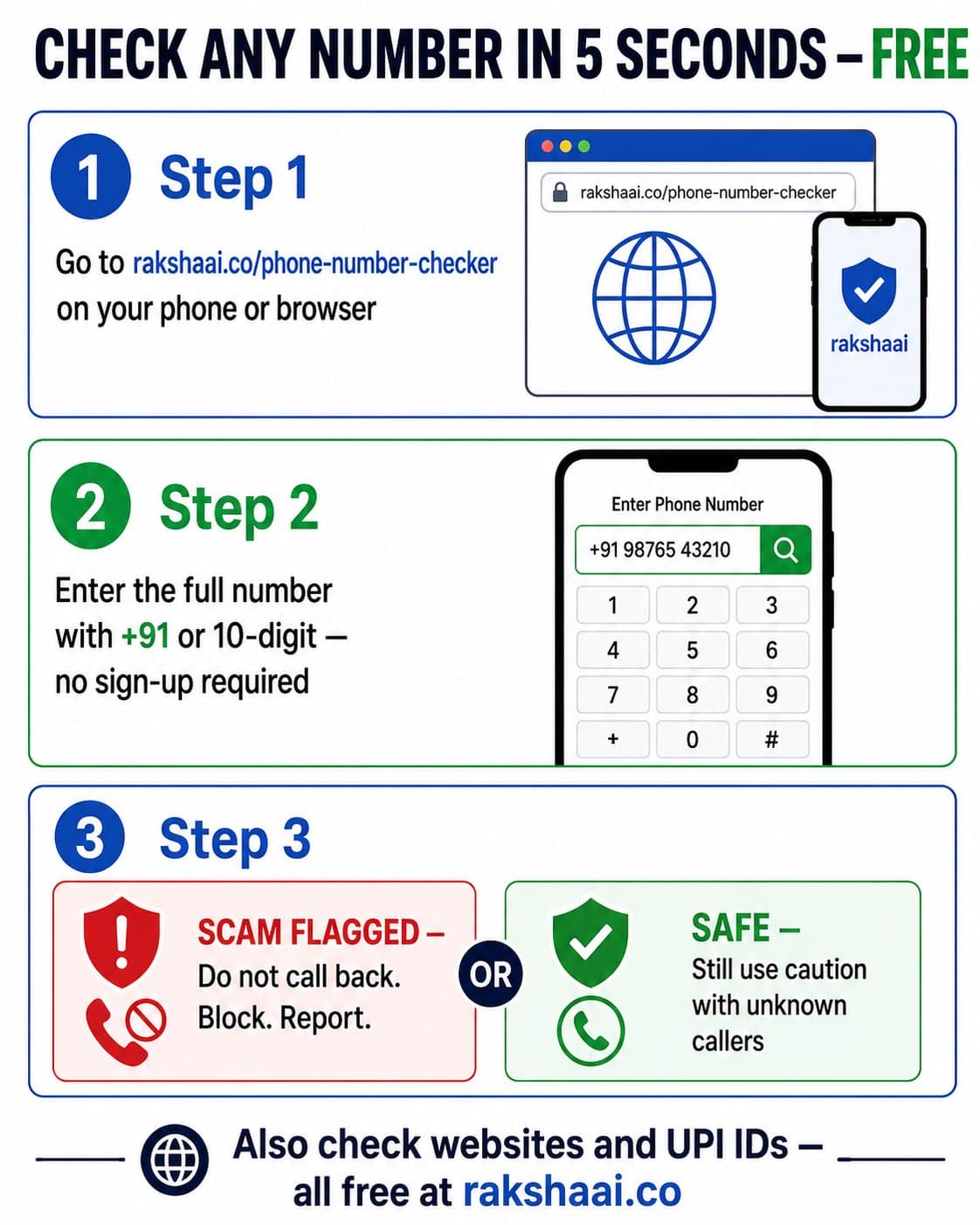
Verify UPI ID and phone number
Search the seller UPI ID and WhatsApp number before payment. Repeat scammer IDs and numbers are often reported by earlier victims.
5 Checks for AI Deepfake Shopping Ads
Do not trust a celebrity product ad until you verify the endorsement and destination URL.
- 1Mouth movement does not perfectly match the audio.
- 2Hair, clothing edges or background blur look unstable.
- 3No trusted news source or official brand page confirms the endorsement.
- 4The ad sends you to a new or unknown domain instead of the brand official site.
- 5The product promises extreme results that legitimate brands would not claim.
What to Do If You Were Scammed by a Social Media Seller
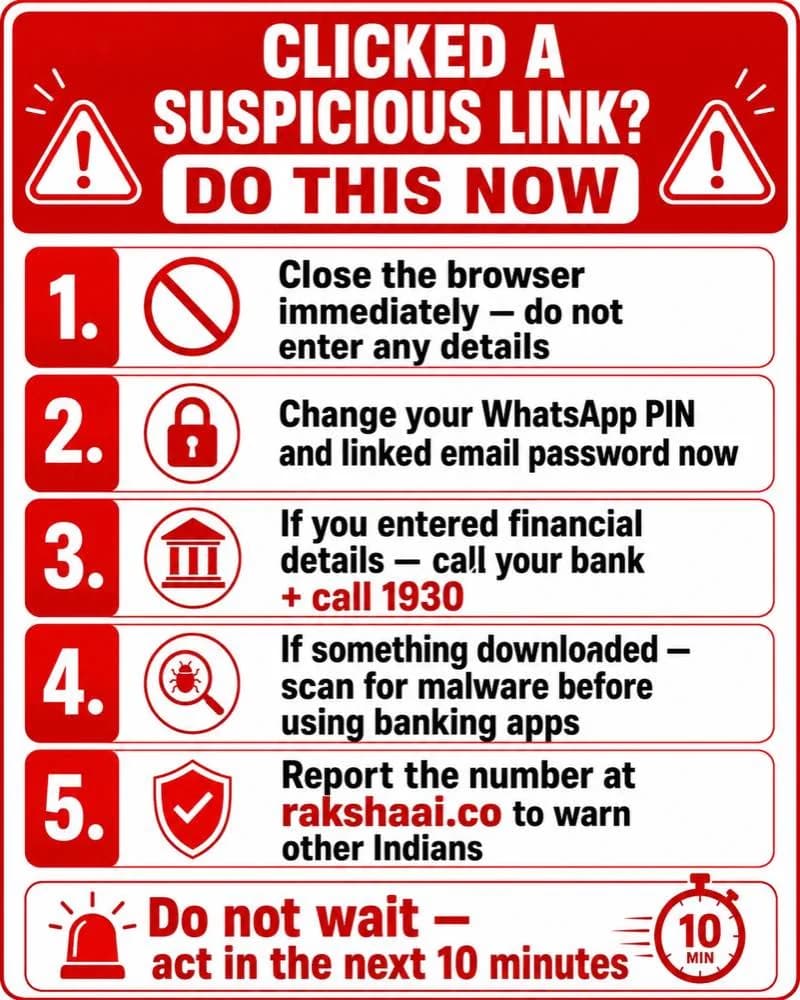
Social commerce fraud moves fast. Preserve evidence first, then report the payment and platform account before it disappears.
Call 1930 quickly for UPI payments
If you paid by UPI, call 1930 immediately with the UPI ID, amount, time, seller handle, phone number and chat screenshots.
Preserve evidence before the account disappears
Screenshot the profile, posts, DMs, WhatsApp group, payment receipt, product listing, tracking link and any fake product received.
File on cybercrime.gov.in
Choose online shopping fraud or financial cyber fraud where applicable. Attach payment proof, seller identity, platform URL and full chat evidence.
Report the account to the platform
Report Instagram and Facebook accounts to Meta as scam or fraud. Report WhatsApp numbers in-app, and Telegram channels through Telegram reporting.
Escalate consumer and payment complaints
Call National Consumer Helpline 1915. If you paid by card or payment gateway, ask your bank for a goods-not-delivered chargeback.
Report the seller to RakshaAI
Report the seller phone number, UPI ID, website and handle so other Indian buyers can search and find the warning before paying.
Platform-by-Platform Risk Guide
| Platform | Risk | Main Fraud Type | Best Protection |
|---|---|---|---|
| Highest | Fake seller pages, AI ads and DM-based UPI collection | Use official shop checkout where available, check account age and avoid direct UPI. | |
| Very high | Shopping groups, viral deal forwards and admin payment collection | Do not pay group admins you do not personally know. Verify UPI ID and phone number. | |
| Facebook Marketplace | High | Deposit requests for electronics, vehicles and furniture | Meet in person for high-value items and never pay a deposit before seeing the item. |
| Telegram | High | Anonymous deal channels and bulk order traps | Avoid paying anonymous admins or bots. There is almost no buyer protection. |
| YouTube | Medium-high | Fake reviews, unboxing videos and deepfake endorsement links | Check destination URLs before clicking or paying. |
Free Tools to Verify Before You Pay
Related Guides
Fake Shopping Website Fraud
Use this when a social ad or message sends you to a standalone copycat store with its own checkout.
E-Commerce Fraud Hub
The parent guide for fake stores, marketplace fraud, COD traps and shopping recovery steps.
Fake Marketplace Seller Fraud
Use this when a seller operates through Amazon, Flipkart, Meesho or a marketplace listing.
Counterfeit Products Online
Social sellers often deliver counterfeit products instead of genuine branded goods.
COD Fraud
Use this when a social seller sends an unordered COD parcel, junk package or doorstep payment trap.
Advance Payment Trap
Use this when a social seller asks for full UPI advance, token money or deposit outside checkout.
Phantom Delivery Scam
Use this when a social seller or marketplace order is marked delivered, but the package never reaches you.
Fake UPI Payment Link
Some sellers send payment links or phishing pages instead of normal checkout.
Phishing Scams
Deepfake ads and social shopping links can route buyers to phishing pages.
Frequently Asked Questions
How do social media shopping scams work in India?
A fake seller page, WhatsApp group or marketplace listing offers products at a discount, takes orders through DMs or chat, asks for direct UPI payment, and then does not deliver, sends a cheap imitation or blocks the buyer.
How do I identify a fake Instagram seller?
Check account age, name history, engagement rate, reverse image search product photos, ask for a live video of the exact product, verify the UPI ID and phone number, and avoid sellers who force direct UPI payment.
What is an AI deepfake shopping scam?
It is a fake ad where AI-generated video appears to show a real celebrity endorsing a product. Victims trust the endorsement, click the ad, and are sent to a fake store or payment flow.
Why is direct UPI payment risky for social media shopping?
Direct UPI to a social seller is usually a peer-to-peer transfer. It does not carry the same buyer protection as platform checkout, marketplace dispute systems or card chargeback routes.
What should I do if an Instagram seller blocked me after payment?
Call 1930 if the payment was recent, screenshot the profile and chats, file at cybercrime.gov.in, report the account to Meta, call National Consumer Helpline 1915, and report the UPI ID and phone number on RakshaAI.
How do WhatsApp group shopping scams work?
A group admin posts urgent deals while planted accounts share fake delivery confirmations. Buyers pay through UPI and then the group is deleted, the admin blocks them or a worthless product arrives.
Are Facebook Marketplace scams common in India?
Yes. Common patterns include deposits to hold electronics, furniture or vehicles, fake overpayment screenshots, and sellers who refuse in-person inspection before advance payment.
Can I get a refund after social media shopping fraud?
Recovery is harder for direct UPI payments, but quick reporting improves the chance of freezing funds. Card or payment gateway payments may allow chargeback if you have strong evidence of non-delivery.
Safe Shopping Summary
Use official checkout whenever possible. If a social media seller insists on direct UPI, verify the UPI ID, number, account age, product images and destination URL before you pay.